Best Bedroom Temp with Mini Split Zoning: 68°F vs 72°F Setup Ideas
When it comes to optimizing comfort in your home, HVAC choices play a huge role—not just for function but for how they fit into your living spaces as part of a room’s style and layout. Mini splits have emerged as a top contender in home climate control, especially for zoning different rooms independently. Homeowners often debate around the ideal setting, particularly bedroom temps like 68°F versus a more casual 72°F for living rooms. With companies like Zone Air, MRCOOL, and Pioneer offering innovative solutions, crafting the perfect zoned setup for independent temperature control has never been more approachable.
Why 68°F in the Bedroom and 72°F in the Living Room?
Science and sleep experts generally agree that a cooler bedroom around 68°F supports better sleep quality, reducing your body’s core temperature and aiding deeper rest. Meanwhile, living rooms benefit from a slightly warmer 72°F, a cozy temperature that promotes comfort for socializing or https://knockoffdecor.com/diy-multi-zone-mini-split/ relaxing without feeling chilly.
- 68°F bedroom: Ideal for promoting sleep quality and lowering energy usage.
- 72°F living room: Perfect balance for day-to-day activities, ensuring warmth without overheating.
- Independent temperature control: Ensures each zone maintains its ideal comfort level based on occupant preferences.
Setting up a mini split system geared toward those zone-specific temps requires some planning and understanding of mechanical, aesthetic, and practical factors. Let’s walk through key considerations.
True DIY vs Not-Really-DIY Mini Splits: What You Need to Know
Want to know something interesting? the allure of diy minisplits has skyrocketed thanks to companies like mrcool, who pioneered easy-install systems with quick connect fittings allowing owners to avoid traditional refrigerant handling. But before pulling out the power drill, it’s critical to grasp distinctions:
- True DIY: Some mini split kits, such as those from MRCOOL, come with factory-sealed lines and quick connect fittings designed for straightforward install by confident homeowners. These are genuine DIY-friendly units, bypassing the need for an HVAC technician to vacuum and charge the system.
- Not-really-DIY: Yet most systems, including Zone Air and Pioneer, require licensed HVAC installers to do refrigerant charging, vacuuming, and leak testing. DIY efforts can stall here, and any overconfidence may void warranties or cause equipment damage.
When planning a two-zone setup—for example, a bedroom and living room—ask yourself whether you’ll be able to handle line set coiling properly and detect refrigerant leaks or whether professional installation is worth the peace of mind.
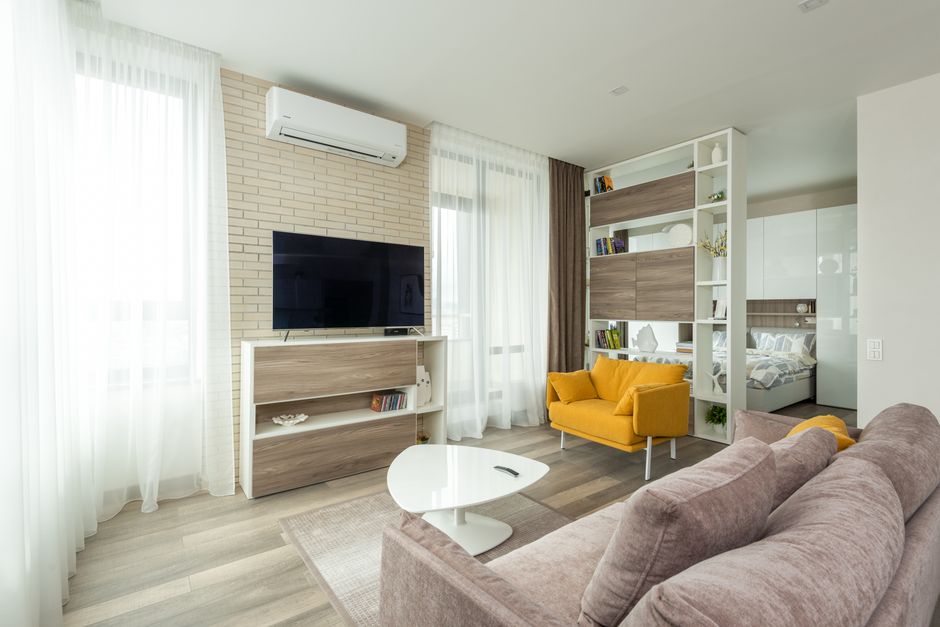
Aesthetics Matter: Air Handler Placement as a Decor Decision
Mini split air handlers aren’t just appliances; they’re part of the room’s visual canvas. With older homes featuring plaster walls and original trim, like many friends I’ve helped, placement requires thought beyond simple function.
Here’s my tried-and-true advice:
- Use cardboard cutouts: Before hanging the indoor units, cut out cardboard shapes the size of the air handlers. Tape them temporarily to the walls to visualize sightlines from bed or seating areas. This process helps avoid ugly focal points or conflicts with trim work.
- Consider gallery wall impact: I keep a short list of “things that ruin a gallery wall,” and oddly placed air handlers frequently top it. If the bedroom has framed prints or photos, place the handler where it complements rather than disrupts the collection.
- Think outdoor line hide: And don’t forget the line set’s outdoor pathway. From the patio or yard, is the condensate drain pipe or line set coupler visible? Use natural screening or paint strokes to blend the hardware seamlessly.
Choosing Air Handler Styles
Mixing different indoor air handler types on one condenser is a viable strategy for layered comfort. Zone Air offers several styles from wall-mounted to ceiling cassette units, ideal depending on room function and design.

- Wall mounts: Classic and streamlined; perfect for bedrooms and living rooms.
- Ceiling cassettes: Great for open-concept living spaces or rooms with limited wall real estate.
- Floor mounts: An option in rooms where wall mounts or ceiling units would disrupt decor.
Mixing handler styles lets you balance aesthetics and airflow needs, while still benefiting from a single condenser unit powering multiple zones.
Line Set Strategy and Leak Risk: The Invisible Puzzle
From my experience advising DIY mini split installs, messing up the line set strategy is a common rookie error deserving special attention.
Factor Best Practice Common Pitfall Line length Keep line sets within manufacturer specs; longer runs may need extra refrigerant or booster pumps. Overly long lines increase risk of leaks and drop efficiency. Coiling and traps Coil excess line neatly near condenser to prevent damage and enable proper refrigerant flow. Random coiling or tight bends cause kinks, leaks, or poor cooling performance. Quick connect fittings Use genuine quick connect fittings with quality seals to minimize leak risks, especially in DIY installs. Improper coupling or reused fittings can cause slow leaks hard to detect.
Having licensed professionals handle refrigerant and vacuum is strongly advised unless your system is specifically designed for sealed DIY with quick connect fittings as MRCOOL markets. Even then, check to see if warranty coverage requires professional checkups periodically.
Designing Your Zoned Mini Split System with Zone Air’s Build Your Own Tool
Planning a two or multi-zone setup? The Zone Air Build Your Own tool is a game changer. It lets you visualize condenser capacities and indoor head types while calculating line length restrictions and ideal placement scenarios before purchasing.
This tool helps eliminate guesswork, allowing you to tailor your system to the unique quirks of your home’s layout and decorating style. It also clarifies mixing indoor head types, balancing capacity, and following local code requirements.
Sample Bedroom and Living Room Setup Ideas
Room Temperature Setting Air Handler Type Installation Tips Bedroom 68°F Wall-mounted low-profile unit- Use cardboard cutout to test wall placement above or near the bed without disrupting gallery walls
- Ensure line set exit hidden behind exterior shrubbery or decorative trim
- Follow manufacturer specs for coiling line set along condenser pad
- Ceiling cassettes ideal in large open spaces for balanced airflow
- Line sets routed to minimize visibility from patios, run along less visible foundation paths
- Consider mixing air handlers on one condenser using Zone Air Build Your Own tool to verify compatibility
Final Thoughts: Balancing DIY Ambition with Professional Expertise
Mini splits offer near-perfect zone comfort control, particularly when targeting ambitious temperature contrasts like 68°F bedrooms paired with 72°F living rooms. However, the project success depends on respecting the blend of mechanical complexity and aesthetic sensitivity. So anyway, back to the point.
If you represent a true DIY'er, look for genuine quick connect mini splits like those from MRCOOL but prepare for line set tweaking and outdoor line hide challenges. If your project leans more complex with mixed air handler types or longer line sets, consultant involvement or full installer engagement from Zone Air or Pioneer might be the better safety net.
No matter your approach, plan carefully, test placement visually with cardboard cutouts, and always think ahead to how condensate drains and line sets affect exterior aesthetics and leak risk. That way, you end up with a system that blends quietly into your well-loved living spaces while delivering custom comfort season-round.