Long Vanity Lighting Ideas Without One Huge Mirror
When designing bathrooms with long vanity layouts, the instinct is often to stretch one massive mirror across the entire wall—clean, expansive, and dramatic. But what about when you want to break away from that monolithic look and introduce a bit more personality without sacrificing light or function? Thanks to innovative lighting and mirror tech, such as offerings from LED Mirror World, it’s easier than ever to achieve bright, balanced illumination using multiple mirrors and advanced backlighting techniques instead of one oversized mirror. Design resources like Homedit and trending designs spotted via Google Preferred Sources suggest creative ways to use led mirrors to refresh your long vanity lighting setup.
The Shift: LED Mirrors Replacing Traditional Vanity Light Bars and Sconces
Traditional bathroom vanities often rely on light bars or sconces mounted above or alongside a single large mirror. While effective, these fixtures can throw sharp shadows or create uneven lighting. Enter LED mirrors—integrated with lighting around or within the glass—that diffuse light precisely where you need it.

What makes LED mirrors such a game-changer for long vanity mirror ideas?
- Even illumination: LED strips embedded in the mirror frame or its edges offer a shadow-free light source for grooming.
- Streamlined design: With the light embedded in the mirror, you can do away with separate light bars or sconces, simplifying wall clutter.
- Customizable shapes: Unlike fixed sconces, LED mirrors come in various sizes and shapes—enabling you to arrange multiple mirrors tailored to the span of your vanity.
Leading brands like LED Mirror World have made inroads by offering backlit bathroom mirrors designed to replace traditional lighting, and with quality diffusers that avoid harsh hotspots or blue-tinted light, a pet peeve among seasoned designers.
Backlighting vs Edge Lighting vs In-Glass Light Lines
All LED mirrors are not created equal. Understanding the subtle differences between backlighting, edge lighting, and in-glass light lines https://www.homedit.com/the-bathroom-mirror-is-starting-to-replace-the-vanity-light/ will help you plan your bathroom’s light flow and ambience.
Lighting Style Description Wall Impact Best For Backlighting Light source is hidden behind the mirror, washing a soft glow onto the wall surface. Creates a halo effect on the paint, tile, wood, or stone, adding dimension and subtle ambience. Modern, minimalistic aesthetics where wall textures are part of the design story. Edge Lighting LEDs are embedded along the mirror edges, illuminating the perimeter. Sharp glowing borders that define the mirror’s form clearly, but can cast narrow light bands onto the wall. Contemporary or industrial looks; when sharp, clean lines are desired. In-Glass Light Lines Thin LED lines are embedded within the glass surface itself, often vertical or horizontal. Creates light patterns on the mirror that subtly reflect onto the wall; can add visual rhythm. High-design bathrooms looking for a statement mirror with lighting detail.From my experience editing hundreds of bathroom designs, backlighting is typically kinder to wall paint and natural materials. The light softly washes down the surface, accentuating textures without overwhelming. Edge lighting can look stunning in photos but feels harsher in real life, especially when the surrounding wall finish is uneven or reflective stone. In-glass light lines strike a balance but require careful selection to avoid overpowering delicate tile veining.
How the Lighting Interacts with Different Wall Surfaces
Consider how your long vanity lighting will play against your wall materials—paint, tile, wood, or stone—to avoid clashes or unintended shadows.
- Painted Walls: Matte or eggshell paints amplify backlit mirrors’ halo effect. Colored walls can change the hue of LED light, so check the bulb temp—avoid overly blue LED tones.
- Tile: Glossy tiles reflect LED light prominently. Backlit mirrors enhance grout lines and texture but edge lighting can create unwanted glare spots. Choose soft backlighting for tiles with strong patterns.
- Wood: Warm wood finishes reveal depth through backlighting’s gentle wash. Edge lighting may highlight surface irregularities. Avoid blue-heavy LEDs which can mute wood’s warmth.
- Stone: Natural veining in marble or quartz benefits from soft backlight that emphasizes texture. Inline light strips within the mirror can compete with stone’s patterns, so keep mirror details simple.
As discussed often in design communities on Twitter and Facebook, users share real-life photos highlighting how lighting choices transform or detract from their vanity ambiance. It’s worth checking these channels to see the latest user feedback on LED lighting and mirror combos.
Long Vanity Layouts Using Multiple Mirrors
Instead of placing one giant mirror, use multiple smaller mirrors spaced evenly along the length of your vanity. This approach merges the best of both worlds: lighting control and an open, flexible aesthetic.
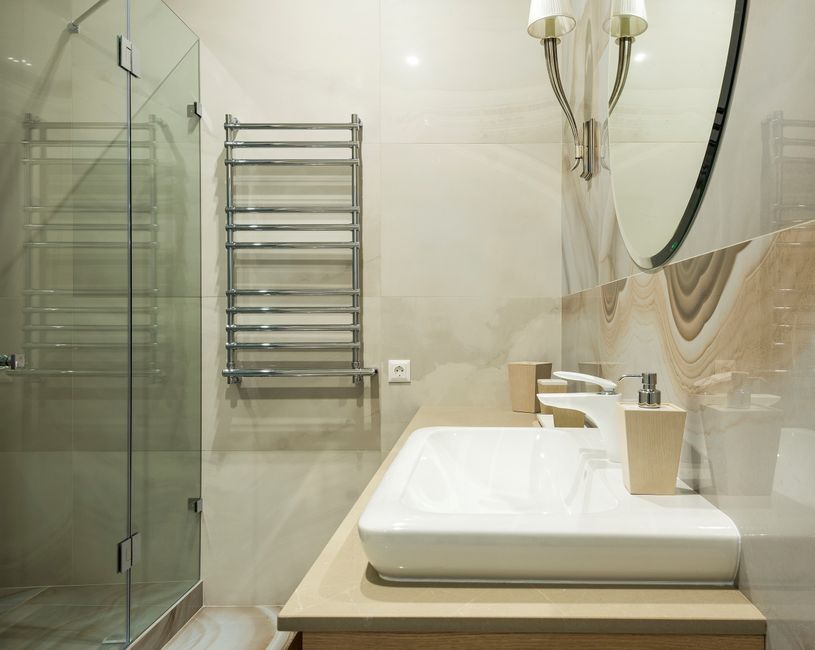
- Symmetrical Mirror Grouping: Duplicate the same size and style of LED mirrors—backlit or edge lit—above each sink or station for balanced task lighting.
- Staggered Sizes: Mix differently sized mirrors with complementary lighting specs to create a dynamic rhythm. LED Mirror World offers an excellent range to mix and match.
- Feature Wall Integration: Incorporate framed mirrors with integrated LED backlight strips, juxtaposed against open wall surfaces like wood panels or stone tiles that can show off the light wash effect.
- Floating Vanity and Mirrors: Complement wall-mounted long vanities with multiple slim vertical or rectangular mirrors enhanced with narrow LED edge lighting. The light seems to float on the wall surface creating a sleek look.
By breaking the mirror into segments, you preserve the bathroom’s scale and add visual interest. This strategy also makes cleaning easier and creates opportunities to introduce other wall elements, such as sconces for layered lighting or towel bars without crowding one mega mirror.
Installation and Placement Tips
- Position LED mirrors at consistent heights for ergonomic lighting and visual cohesion.
- Factor in the distance between mirrors to maintain an even light wash on surrounding walls.
- Use dimmable LED options to customize light intensity according to the time of day and mood.
- Consider the finish and color temperature of LEDs; 3000K-4000K is usually ideal for natural skin tones and a warm ambiance.
Final Thoughts
The trend away from one huge mirror to multiple, thoughtfully lit mirrors at long vanities is here to stay. LED mirrors, especially backlit varieties offered by companies like LED Mirror World, allow you to create flattering, sophisticated lighting free from bulky light bars or sconces. By considering wall material interactions and selecting lighting styles that complement your design, you can elevate your bathroom beyond traditional norms.
For inspiration, check out design blogs such as Homedit, and browse top-rated projects via Google Preferred Sources. Don't forget the wealth of user-generated content and tips available on Twitter and Facebook groups dedicated to bathroom design.
Simple rectangular mirrors with well-engineered lighting can do all the heavy lifting visually while preserving the intimacy and utility of your bathroom space—without the sometimes intimidating, overly blue glare of conventional vanity bars. Let your walls soak up that beautiful LED glow.