MRCOOL Multi-Zone Limitations: Can You Do Ducted With It?
MRCOOL multi-zone systems can be a practical way 24 seer2 mini split to heat and cool several rooms without installing a traditional central HVAC system. But if you’re planning around hidden ductwork, a short answer matters: a typical MRCOOL DIY multi-zone setup is built around individual indoor heads—not a collection of ducts feeding rooms from one concealed air handler.
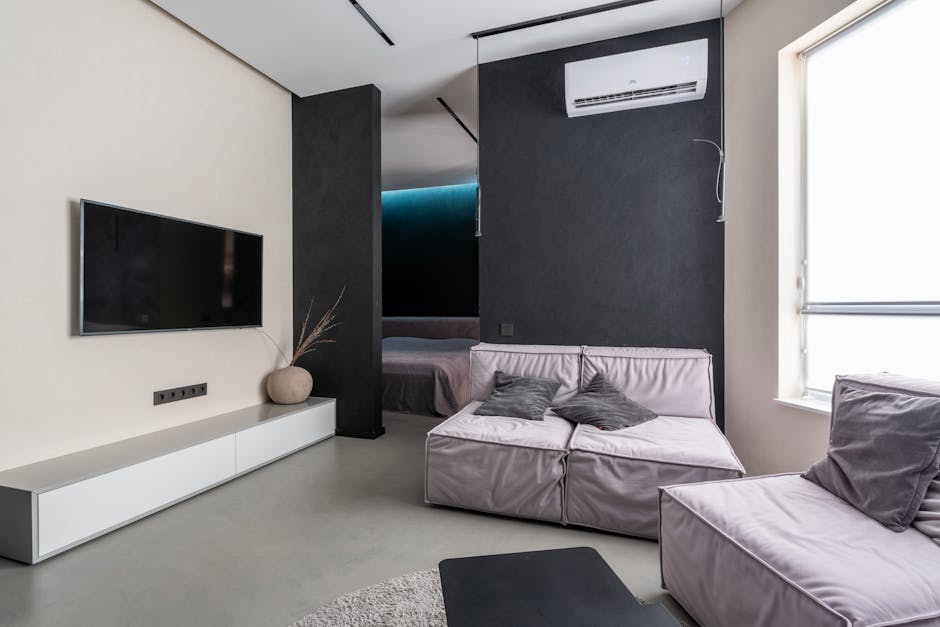
That distinction affects what equipment you buy, how the installation goes, and whether the system will deliver the look and airflow you want. Below, we’ll explain the usual indoor-unit options, when a ducted mini split option may be possible, what “DIY” really means at the flare connections, and how to compare MRCOOL with Zone Air and Senville.
Can You Add Ductwork to MRCOOL Multi-Zone Heads?
In most common MRCOOL DIY multi-zone configurations, each indoor unit is a room-level head that mounts in the space it serves. The familiar setup uses wall-mounted indoor units connected to a compatible multi-zone outdoor unit. Depending on the product family and available combinations, some systems may also offer cassette-style indoor units. Always check the exact model numbers and the manufacturer’s approved combination chart before ordering.
These are not the same as a ducted air handler. A wall head blows conditioned air directly into its room, while a ceiling cassette distributes air from a ceiling-mounted unit. A ducted system uses a concealed indoor air handler connected to ducts, registers, and return-air openings. Those are different indoor-unit designs, and they are not interchangeable just because they connect to a mini-split outdoor unit.
What “Wall and Cassette Only” Means in Practice
If the compatible indoor units for your chosen multi-zone system are wall and cassette only, plan to condition rooms directly with those units. Don’t assume you can connect a duct trunk to a wall head or hide it in a closet and expect it to behave like a ducted air handler. Exactly.. The fan, casing, controls, and static-pressure capability are designed for a particular type of airflow—not for an improvised duct network.
Even when an indoor unit has a short duct collar or a product listing uses broad terms such as “concealed,” verify whether it is a true ducted air handler and whether it is approved for the exact outdoor unit. Product families and compatible combinations change, so confirm these points using the current manufacturer documentation:
- The exact outdoor-unit model and its supported indoor-unit types.
- Whether a ducted air handler is listed as a compatible indoor unit.
- The permitted capacity combinations and minimum/maximum connected capacity.
- Any limits on indoor-unit count, line-set length, and elevation difference.
- Whether the controls and thermostats support the intended zoning arrangement.
When a Ducted Mini Split Option Makes Sense
If you want one concealed unit serving several nearby rooms, look specifically for a manufacturer-approved ducted mini split air handler and an outdoor unit that supports it. Some product lines offer ducted indoor units, but that does not mean every multi-zone outdoor unit can accept one. Compatibility is model-specific.
A ducted layout can be attractive when you want a cleaner appearance, need to serve bedrooms from a hallway or utility space, or prefer not to put a wall unit in every room. It also introduces design work that a wall-head installation may avoid: duct sizing, return-air planning, static-pressure checks, insulation, condensate drainage, and access for filter changes and service. Long or undersized ducts can reduce airflow and comfort, even when the equipment itself is sized correctly.
For a renovation with usable attic or ceiling space, a ducted system may be worth pricing alongside wall-mounted heads. For a retrofit with little room for ducts, separate indoor units can be simpler and less disruptive. In either case, don’t buy the outdoor unit first and assume you can choose the indoor style later. Confirm the complete combination before purchase.
True DIY vs. Flare-Install Reality
“DIY” is a product feature, not a promise that every part of the job is tool-free or appropriate for every homeowner. MRCOOL DIY systems are known for pre-charged line sets and connection designs intended to simplify installation. That can reduce the amount of refrigerant work compared with a conventional mini split. It does not remove the need to follow the installation instructions precisely.
With a conventional flare-install system, the installer cuts and flares copper tubing, connects the lines, tests the system for leaks, evacuates the lines with a vacuum pump, and verifies the charge and operation according to the manufacturer’s procedure. A typical professional setup uses a Vacuum pump and Manifold gauges as part of that work. Those tools are not decorations: evacuation and leak checks help protect the compressor and support reliable operation.
A pre-charged quick-connect arrangement changes the workflow, but the connections still have to be clean, correctly aligned, tightened as specified, and protected from damage. A poor connection, kinked line, incorrect line length, or neglected condensate drain can still create problems. Also check local code and electrical requirements. Some jurisdictions require permits or licensed trades for portions of HVAC work, even when the product is marketed as DIY.
Before You Choose a DIY Kit
- Measure the actual line route, not just the straight-line distance between units.
- Check clearance around indoor and outdoor units for airflow and service access.
- Confirm condensate can drain reliably and won’t create water damage.
- Review the wiring diagram, breaker requirements, and disconnect requirements.
- Understand the warranty terms and who is responsible if installation is incomplete or incorrect.
Cold-Climate Ratings and Capacity Drop
Don’t size a heat pump based only on its headline BTU rating. Heating capacity and efficiency change as outdoor temperatures fall. A unit may continue operating in cold weather while delivering less heat than it does under milder rating conditions. The size of that capacity drop depends on the specific model and outdoor temperature, so use the published performance tables for the exact equipment—not a general claim about an entire brand.
This matters especially with multi-zone systems. The outdoor unit’s available capacity is shared across connected indoor units; it does not necessarily deliver every head’s nominal rating at once. If several rooms call for heat during a cold spell, the system has to distribute the capacity it can produce under those conditions. A design that looks adequate on a sum-of-BTUs spreadsheet may feel undersized if the load calculation, low-temperature performance, or distribution plan is off.
For a cold-climate project, compare the heating output at your local design temperature, minimum operating temperature, and any published low-ambient performance data. Ask how the system handles defrost and whether backup heat is needed for the coldest days. A local HVAC professional can help calculate room-by-room loads, especially in older or poorly insulated homes.

Zone Air vs. MRCOOL: Value and Features
MRCOOL is often considered by homeowners who value a DIY-oriented installation path and a recognizable range of mini-split configurations. Its multi-zone systems can reduce the number of outdoor units needed when several rooms require independent indoor units. The tradeoff is that you must match heads to the outdoor unit carefully and accept the indoor styles actually supported by that series.
Zone Air may be worth comparing when you’re shopping for a direct-purchase system or a simpler single-zone project. For example, Zone Air 12,000 BTU single zone typical price: ~$1,999 direct. Treat that as a price example, not a quote for every installation: electrical work, mounting materials, line-set routing, permits, and labor can change the total project cost.
When comparing Zone Air and MRCOOL, look beyond the equipment price. Check the warranty, included line set, indoor-unit options, low-temperature heating data, electrical requirements, parts availability, and the support available for your specific model. A lower upfront price can be a good value if the equipment fits the job and the installation costs stay controlled. It is not a bargain if the system cannot support the indoor layout you actually need.
Senville is another brand homeowners commonly compare in the mini-split market. As with MRCOOL and Zone Air, compare specific model numbers rather than assuming that every series offers the same controls, indoor styles, cold-weather performance, or installation process. I remember a project where made a mistake that cost them thousands.. The best choice is the one with compatible equipment, clear documentation, and a practical service plan for your home.
115V Plug-In Convenience vs. 230V Hardwire Costs
A 115V plug-in unit can be convenient for a suitable single-zone application: where the model is designed for that voltage, an appropriate receptacle is available, and local code allows the connection. Plug-in convenience may avoid some electrical work, but it doesn’t automatically make the overall installation inexpensive or permit-free. Confirm circuit capacity, receptacle type, and manufacturer requirements before relying on an existing outlet.
Many larger systems—and most multi-zone systems—use 230V power and require a dedicated circuit, properly sized conductors and breaker, and an outdoor disconnect where required. If the panel has capacity and the cable route is straightforward, the added cost may be manageable. If the panel needs upgrades, the run is long, or wiring must pass through finished walls, electrical work can add substantially to the project total.
Compare the full installed cost rather than treating 115V versus 230V as a simple equipment-price decision. A plug-in model may be easier to power, but it may not have the capacity or multi-zone layout you want. A 230V system may cost more to connect yet better fit the heating and cooling load. Have electrical work evaluated by a qualified electrician, and follow the nameplate and installation manual.
Quick Comparison: What to Check Before Buying
Project question What to verify Why it matters Do you need hidden ducts? A compatible ducted indoor air handler and approved outdoor-unit pairing Wall heads and cassettes are not substitutes for a ducted air handler. Are you installing it yourself? Connection method, tools, local rules, and warranty conditions DIY branding does not eliminate careful installation or code requirements. Will it heat in your winter? Published capacity at the local design temperature Heating output can fall as outdoor temperatures drop. Can your electrical system support it? Voltage, circuit, breaker, disconnect, and panel capacity Electrical upgrades can change the project budget. How many rooms need independent control? Indoor-unit count, capacity combinations, and control compatibility Outdoor capacity is shared among connected zones.Bottom Line
MRCOOL multi-zone systems can be a strong fit when you want room-by-room comfort with compatible indoor heads and a DIY-oriented installation approach. But if your plan depends on concealed ducts, don’t assume that a standard multi-zone package will do the job. Confirm whether the exact equipment supports a ducted mini split option; if the approved choices are wall and cassette only, plan around those—or select a different compatible system.
Before ordering, match the indoor-unit types, heating performance, electrical requirements, line-set route, and installation method to the house. Compare MRCOOL with Zone Air and Senville using model-specific specifications and the total project cost. That is the best way to avoid buying a system that looks right in a product listing but doesn’t fit the installation.